
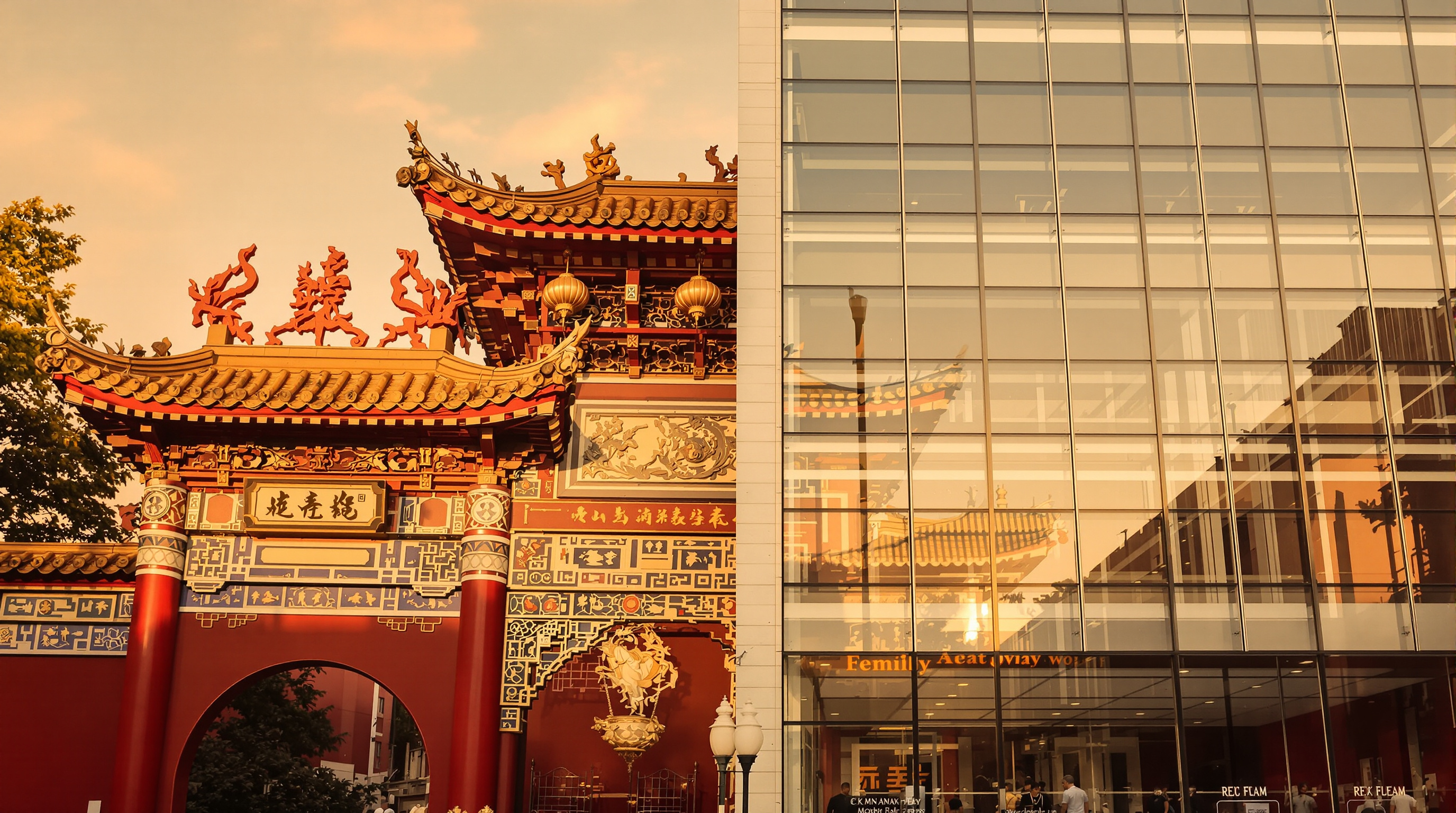
The Cultural Minefield
International brands invest millions in China market entry — in platform setup, media buying, KOL partnerships, and content production. But the most common point of failure isn’t strategic or technical. It’s cultural.
Cultural missteps in China tend to be highly visible and deeply damaging. Chinese social media amplifies mistakes rapidly — a tone-deaf campaign can generate millions of negative impressions within hours. And in a market where brand trust is already difficult to build as a foreign company, cultural insensitivity can set a brand back years.
The challenge isn’t that Chinese culture is impenetrable — it’s that international brands often don’t invest in understanding it before launching campaigns.
Colour and Symbolism
Colour carries different meaning in China than in the West. Some key considerations:
Red — Auspicious, festive, lucky. Appropriate for celebrations and promotions. But overuse by foreign brands can feel pandering — Chinese consumers recognise when a brand is “trying too hard.”
White — Associated with mourning and funerals in Chinese culture. White packaging, white-themed campaigns, and excessive use of white space can carry unintended negative connotations.
Gold — Wealth, prosperity, premium positioning. Effective for luxury and premium brands, but must be deployed with subtlety.
Green — Generally positive (growth, vitality), but a green hat specifically implies infidelity. Never use green hats in any marketing context.
Number 4 — Homophone for death (四/死). Avoid in pricing, product sizing, and campaign mechanics. Conversely, 8 is extremely auspicious (wealth) and should be leveraged when possible.

Calendar Awareness
China’s cultural calendar is packed with marketing opportunities — and pitfalls. Key periods include:
Chinese New Year (Spring Festival) — The biggest cultural event. Campaigns should begin 4-6 weeks before the actual date. Family, reunion, and tradition are the dominant themes.
Singles’ Day (11.11) — The world’s largest shopping event. Commercial, not cultural — driven by Alibaba and now observed across all platforms.
Mid-Autumn Festival — Family reunion, mooncakes, gratitude. An opportunity for premium gifting campaigns.
National Day (October 1-7) — Politically sensitive period. Avoid any messaging that could be interpreted as disrespectful to China or Chinese culture.
Qingming Festival — Tomb-sweeping day. A solemn occasion — absolutely no promotional or celebratory marketing during this period.
Getting It Right
“Cultural fluency isn’t about avoiding mistakes — it’s about earning the right to participate in the conversation.”
Invest in cultural consultation before creative production. Review all campaign concepts with Chinese cultural advisors before committing to production budgets.
Test with Chinese audiences. Focus groups and social listening can catch cultural issues before they become public crises.
Localise, don’t translate. The goal isn’t to convert Western campaigns into Chinese — it’s to create campaigns that feel native to the Chinese market while maintaining brand integrity.
Respect the audience’s intelligence. Chinese consumers are sophisticated and globally aware. They recognise — and resent — shallow cultural references that reduce China to stereotypes.